
How to Prevent Jet Lag: Surviving Airline “Blackout” Tactics
The 10 AM Blackout: How to Survive “Anti-Circadian” Airline Tactics
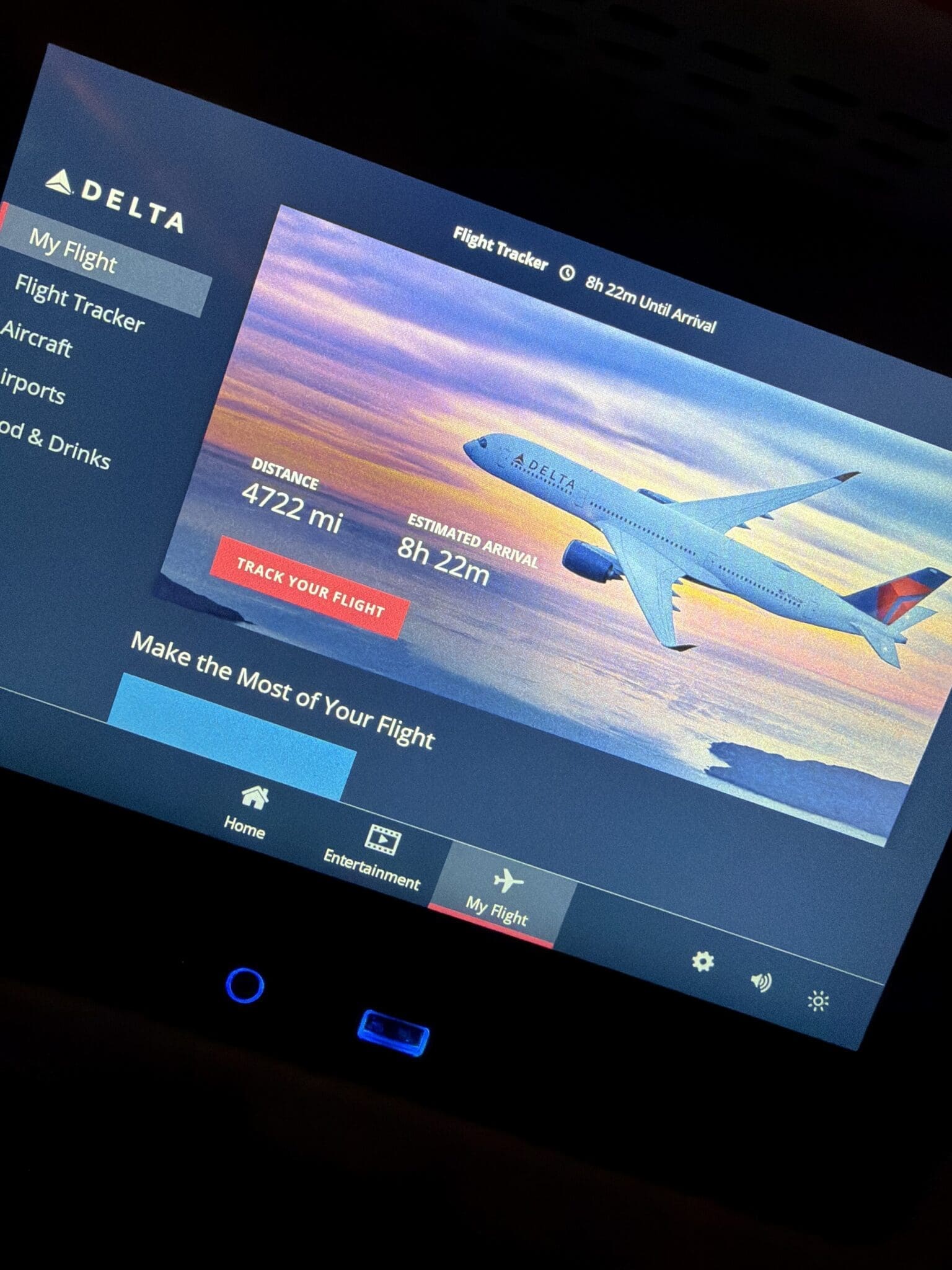
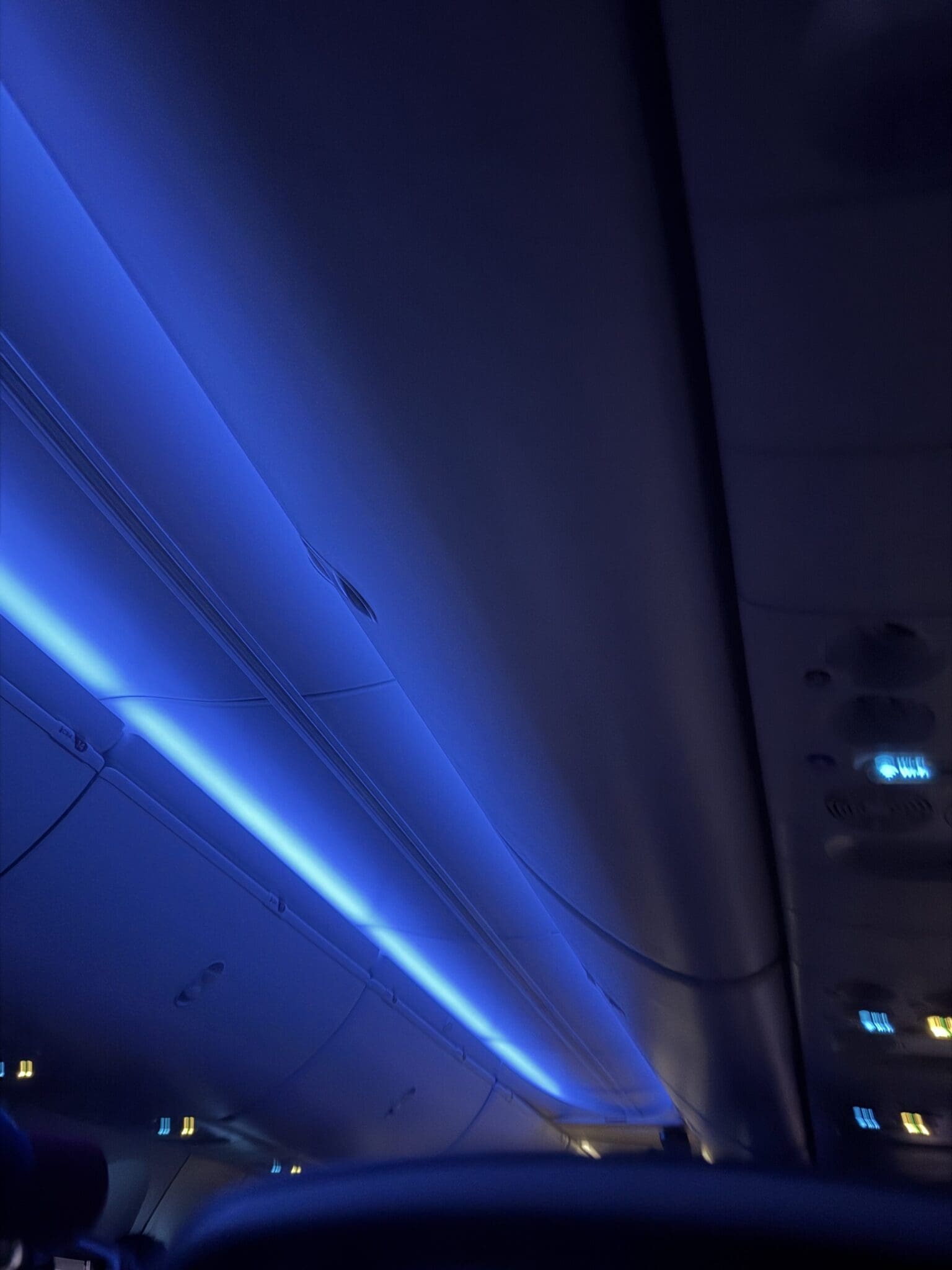
I am currently writing this from 30,000 feet in the air, somewhere between Accra and JFK. It’s 10:00 AM, but if you looked around this cabin, you’d think it was midnight.
Why? Because the airline just executed moves that are practically designed to sabotage human physiology: they served us a heavy dinner for breakfast, and they demanded that every passenger close their window shades. At 10 in the morning, our bodies are now being tricked into thinking it is the middle of the night.
Let’s call this exactly what it is: an airline adding to the disruption of your circadian rhythm just to force the cabin to sleep so they don’t have to get up.
As a physician and a frequent flyer, watching an airline actively work against human biology is infuriating. But as a Style Strategist, I know that when the environment is fighting you, you have to engineer your own defense. Here is how you fight back against forced jet lag on long-haul flights.
The Biological Tax: Lighting, Digestion, and The Thermal Drop
There are three primary drivers that dictate your body’s internal clock: light exposure, digestion, and temperature.
When an airline plunges the cabin into total darkness and serves you a heavy, carb-loaded dinner at a time when your body expects breakfast, they are sending the exact wrong signals to your brain. But there is another sneaky tactic they deploy: the thermal drop. By drastically lowering the cabin temperature after the meal service, they are mimicking the natural drop in core body temperature that occurs when you sleep. It is a physiological cue explicitly designed to knock you out, regardless of what time zone your body thinks it is in. You aren’t just crossing time zones; you are actively inducing jet lag before you even land.
Weaponized Mood Lighting: The Fluorescent Jumpscare
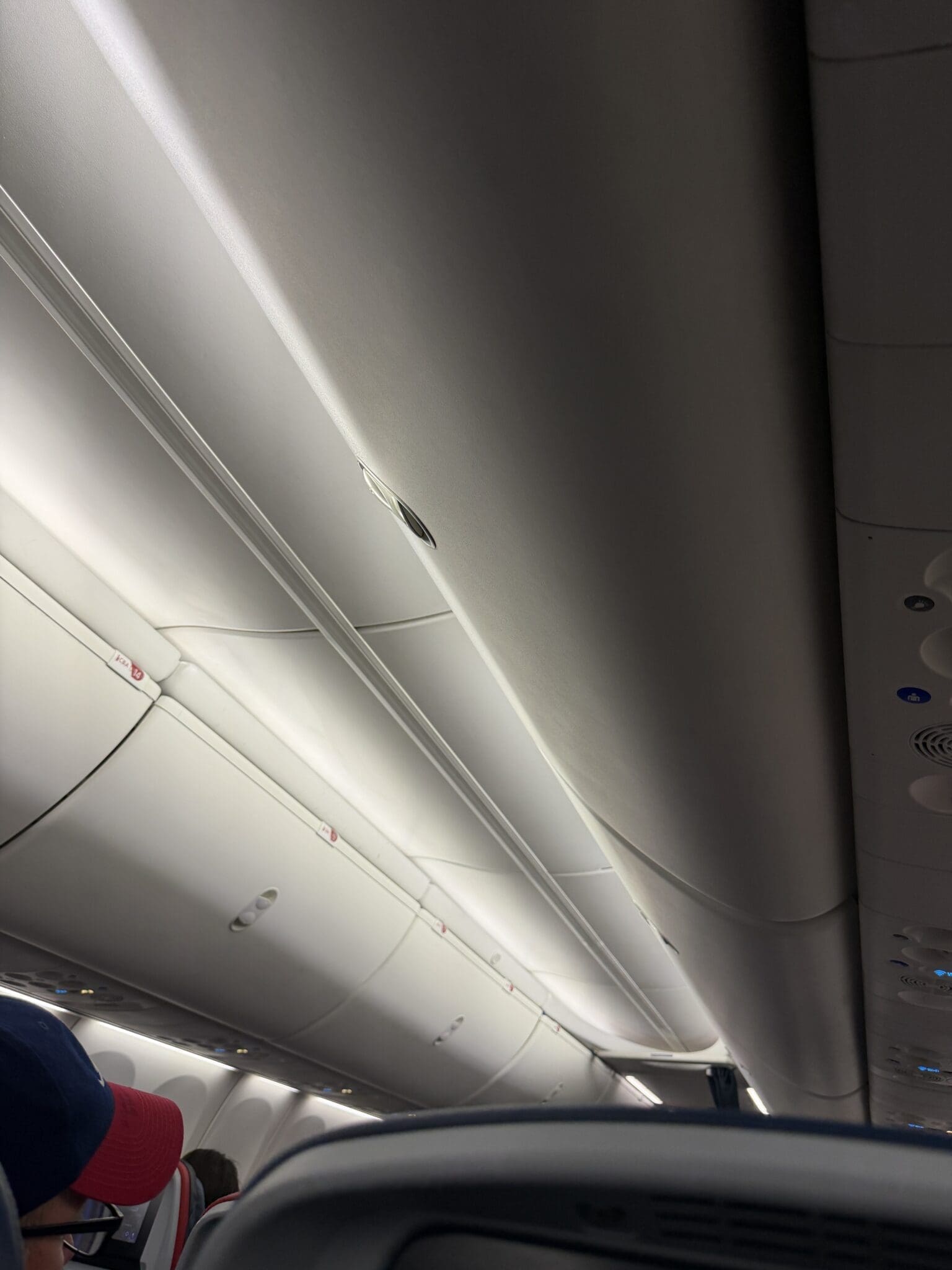
Modern wide-body aircraft are equipped with state-of-the-art LED lighting systems designed by chronobiologists. The system features a “Sunrise” macro meant to gently transition the cabin over 30 minutes, simulating a natural dawn to naturally adjust your melatonin levels.
Instead, here is what my crew just did: after taking off at 8:00 PM in dusky daylight, they plunged us into deep blue lights for the entire flight. Then, without warning, they hit us with full, blinding fluorescent white lighting at 11:00 PM. It absolutely sucks. It is a biological jumpscare. Going straight from deep sleep blue to blinding white with zero transition is an assault on your cortisol levels. The technology exists to prevent jet lag, but when crews override it for operational convenience, they are the ones actively causing your travel misery.
The C-Suite Defense Plan
1. The Ultimate Light Shield: Indoor Shades
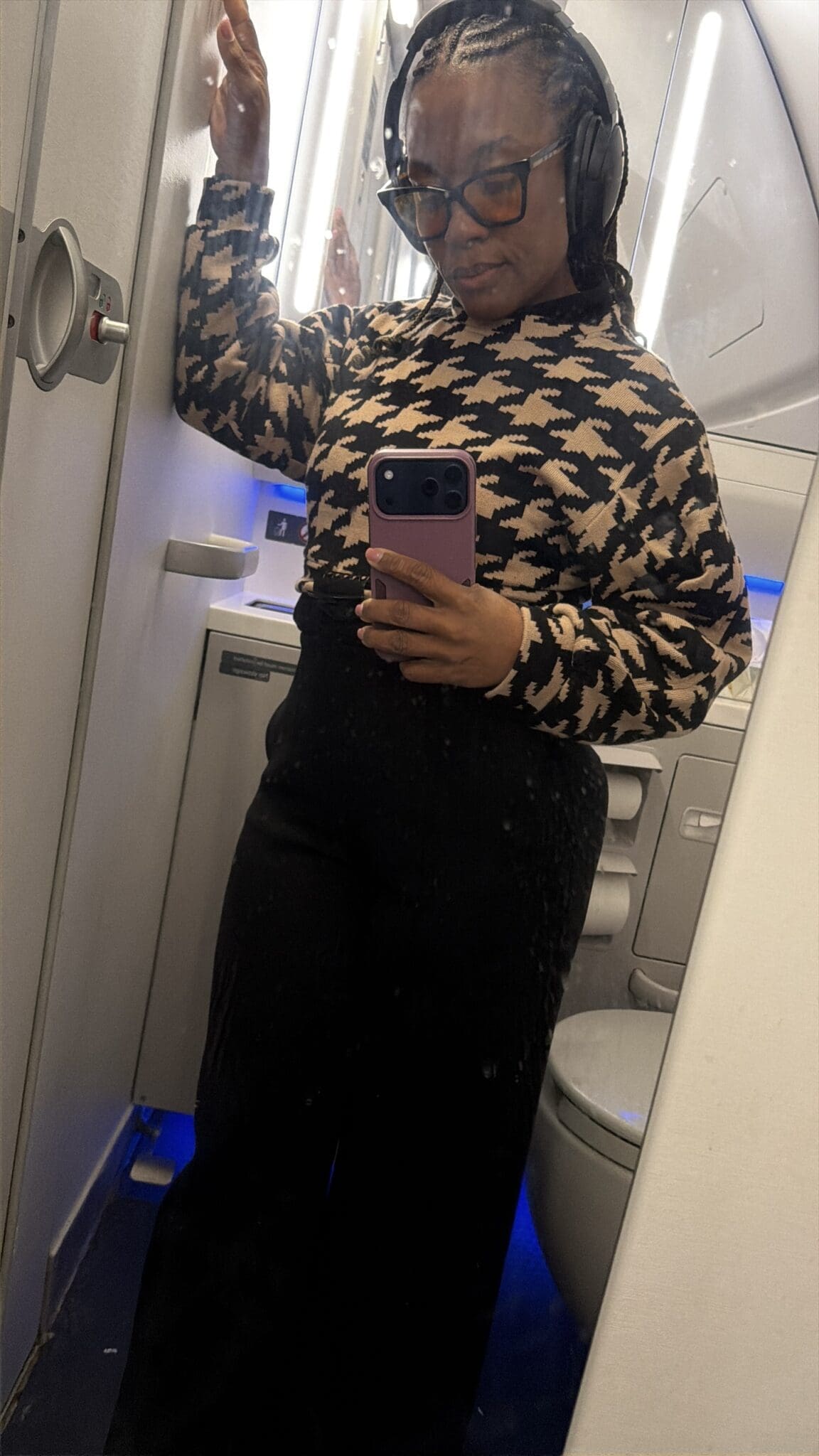
My way of combating this for years? Shades. They are not just for the beach; they are a mandatory travel accessory. When the crew inevitably triggers that 11 PM fluorescent jumpscare, my oversized travel sunglasses immediately go on. They filter out the harsh artificial light, protect my retinas, and keep my cortisol levels from spiking so I remain entirely unbothered. If you aren’t a shades-indoors kind of person, a high-grade 23mm momme silk eye mask works beautifully—but proceed with extreme caution. The danger of a blackout mask is that it makes it far too easy to accidentally fall asleep when your circadian strategy requires you to stay awake.
2. The Menu Compromise & Internal Defense
Just because they serve it doesn’t mean you have to finish it. My strategy for this flight? I ate exactly half my meal. It gave my stomach the foundation it needed to balance out a little mid-flight tequila, but completely prevented the heavy, sluggish bloating that comes with forcing a massive “dinner for breakfast” at 30,000 feet. Prioritize aggressive hydration, pack your own light, time-appropriate snacks so you dictate your digestion, and do not let travel disrupt your wellness routine. I keep my Dosey pill organizer in my personal item so I never miss a round of supplements while crossing time zones.
3. Elevate Your Transit Armor
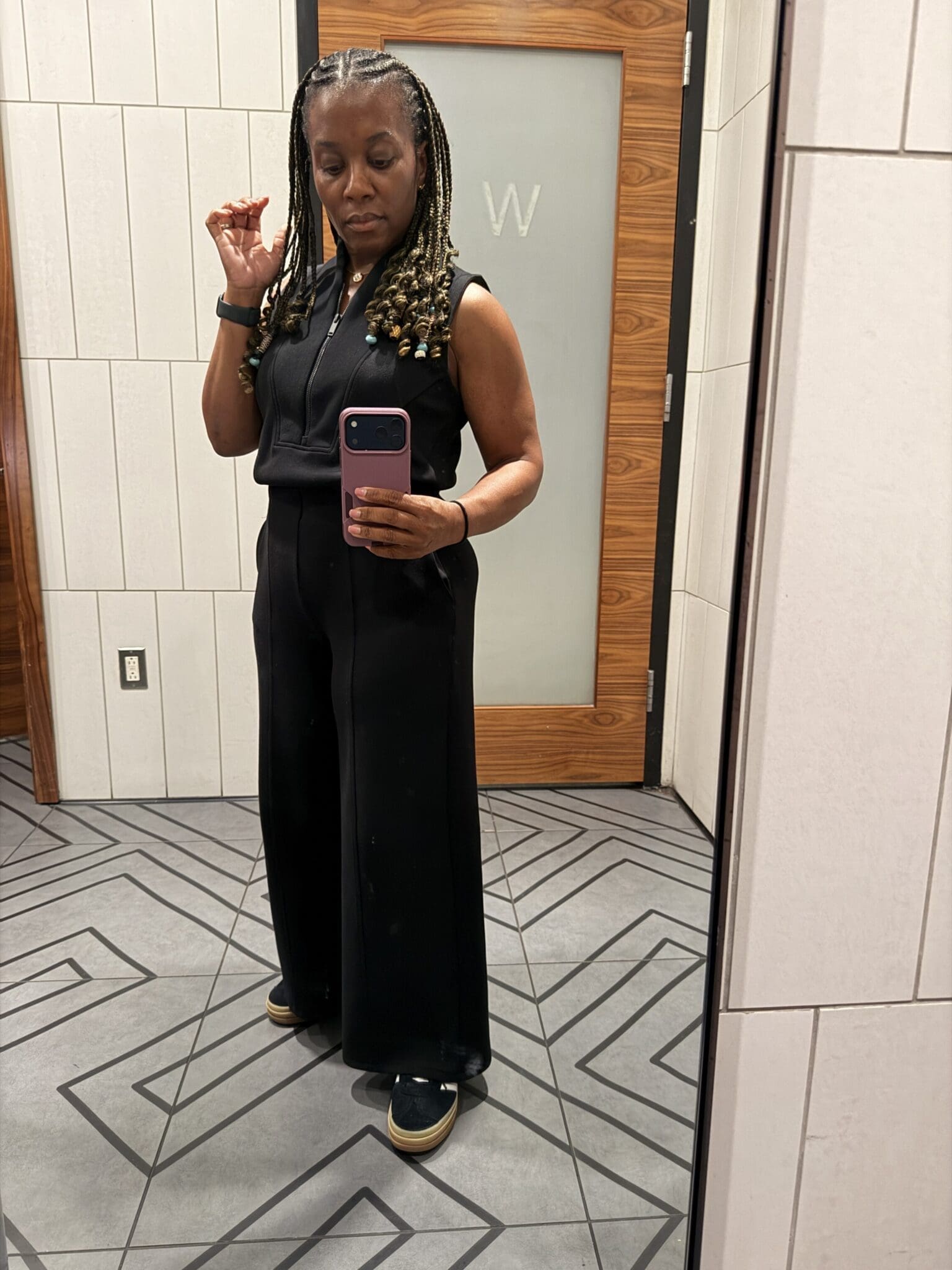
When you are trapped in a middle seat fighting off forced jet lag and deliberate cabin temperature drops, your wardrobe must provide frictionless comfort and warmth. This is exactly why my transit uniform is strictly the Spanx AirEssentials set layered with a structured sweater. It delivers the structural integrity of a luxury look with the absolute comfort required to survive a chilly 14-hour flight.
4. The In-Flight Glow-Up
Recirculated cabin air and the artificial “thermal drop” will completely drain the life and moisture out of your skin, compounding the exhausted, jet-lagged look. I do not rely on airplane water to look fresh. My long-haul travel pouch is strictly curated to act as a barrier defense. First, I use Calecim Professional’s Recovery Night Complex to actively repair the skin barrier at 30,000 feet. Finally, for that immediate touchdown glow, I layer on my Ole Henriksen Cloudberry Oil and seal the hydration with their Strength Trainer Peptide Moisturizer. It is the ultimate clinical-meets-luxury pre-landing routine so you step off the jet bridge looking completely revived.
Shop The Archive Edit
Do not let a flight crew dictate your recovery. Here is the exact survival kit.
- The Light Shield: Burberry Travel Sunglasses
- The Armor: Spanx AirEssentials Set
- The Internal Defense: Dosey Wellness Wallet
- The Barrier Defense: Calecim Professional Recovery Complex
- The Touchdown Glow: Ole Henriksen Cloudberry Oil
- The Hydration Seal: Ole Henriksen Peptide Moisturizer
- The Melatonin Hack: Promeed 23mm Silk Sleep Mask