
Beyond the Savior Complex: A Physician’s Groundwork in Ghana
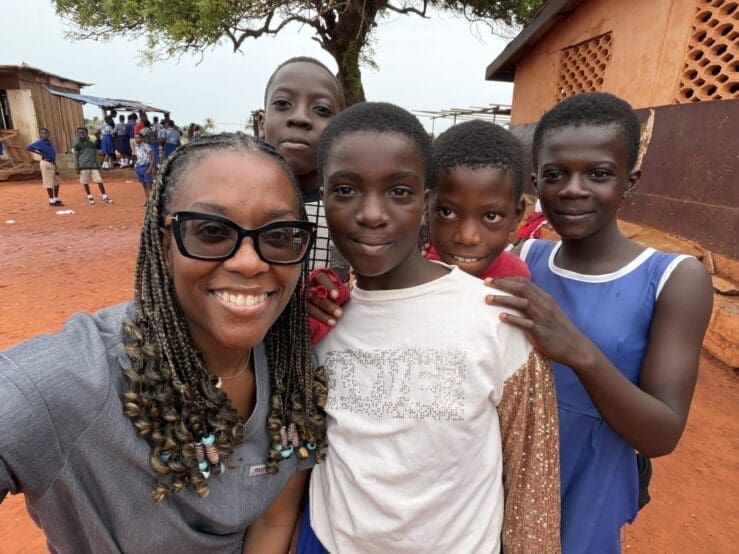
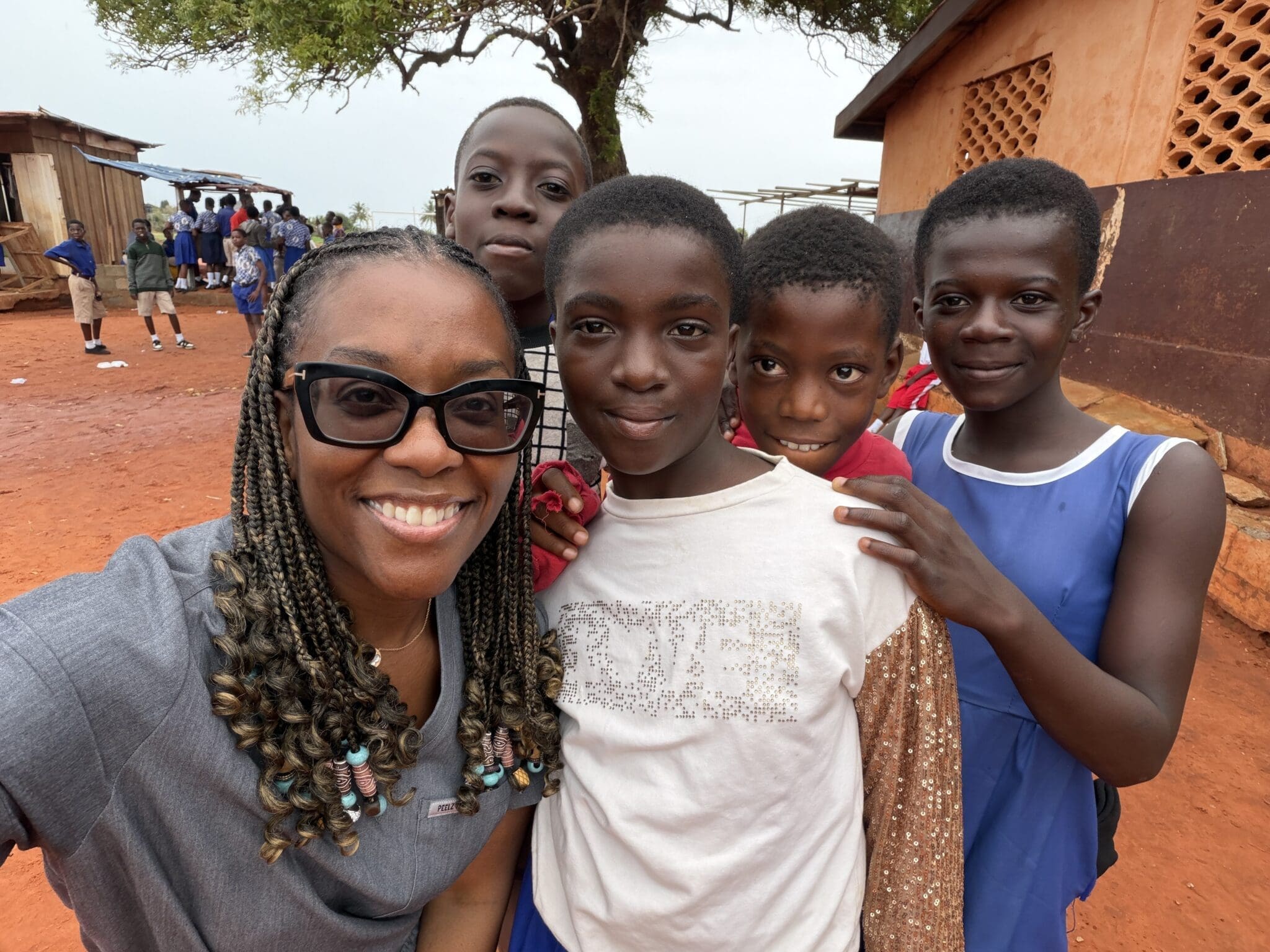
Clinical groundwork in the equatorial heat of Accra, Ghana.
Let’s have a candid conversation about the reality of medical missions. When you scroll through social media, mission trips are often distilled into a carefully curated montage: smiling children, vibrant landscapes, and a swelling soundtrack of goodwill. It looks beautiful, and in many ways, it is.
But as a Senior Pediatrician who treats dozens of children daily in my own clinical practice, I approach global health with a very specific, executive lens. During my recent groundwork in Accra, Ghana, I was reminded that the intersection of travel, medicine, and global aid is incredibly complex. It is not just about showing up with a stethoscope and a good heart.
If you are considering volunteering your time or resources abroad, let’s skip the romanticized narrative. Here is the unvarnished truth about medical missions.
Defining the Framework
First, we have to define what a medical mission actually is, because the framework dictates the impact. These initiatives vary wildly in their origins and funding. Some are strictly religious and faith-based, operating through global church networks. Others are driven by massive government aid programs or large-scale NGOs.
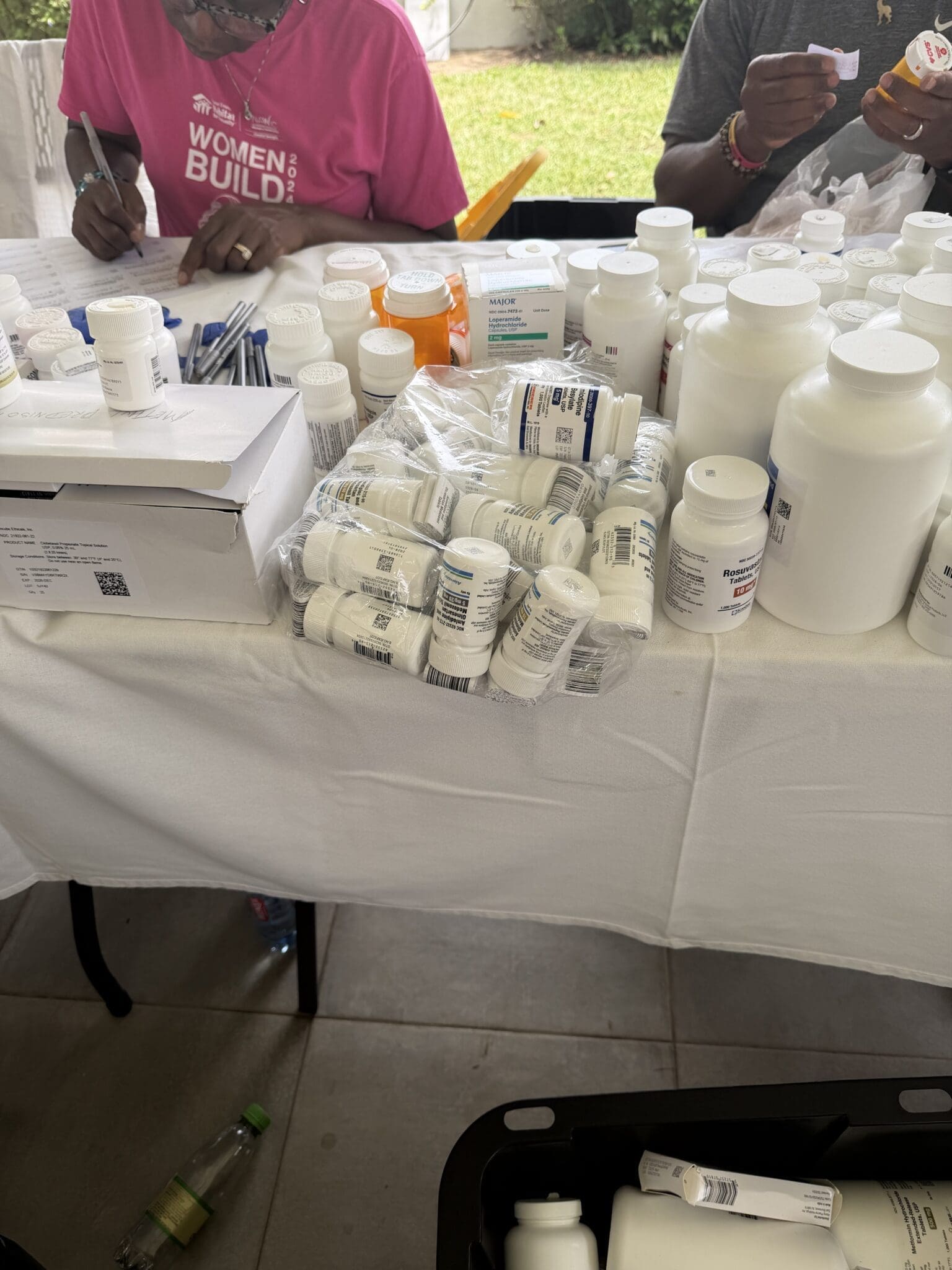
The logistics of global aid: Curating the clinical pharmacy.
For this deployment, I traveled with a completely non-religious, non-NGO organization. It was a grassroots, non-profit collective born simply out of a group of dedicated volunteers who saw a critical need and organized to meet it. The operational structure matters deeply. A mission’s funding and philosophy dictate whether a team is there to temporarily put a band-aid on a systemic issue, or if they are there to partner with local physicians and build long-term infrastructure. Understanding the “why” behind the mission is the first step to ensuring your presence actually adds value to the community.
The Joy of Service
Let me be clear: the joy of volunteerism is profound. There is a deeply humbling, almost kinetic energy that happens when you strip away the bureaucracy of American corporate healthcare and simply focus on the pure act of healing.
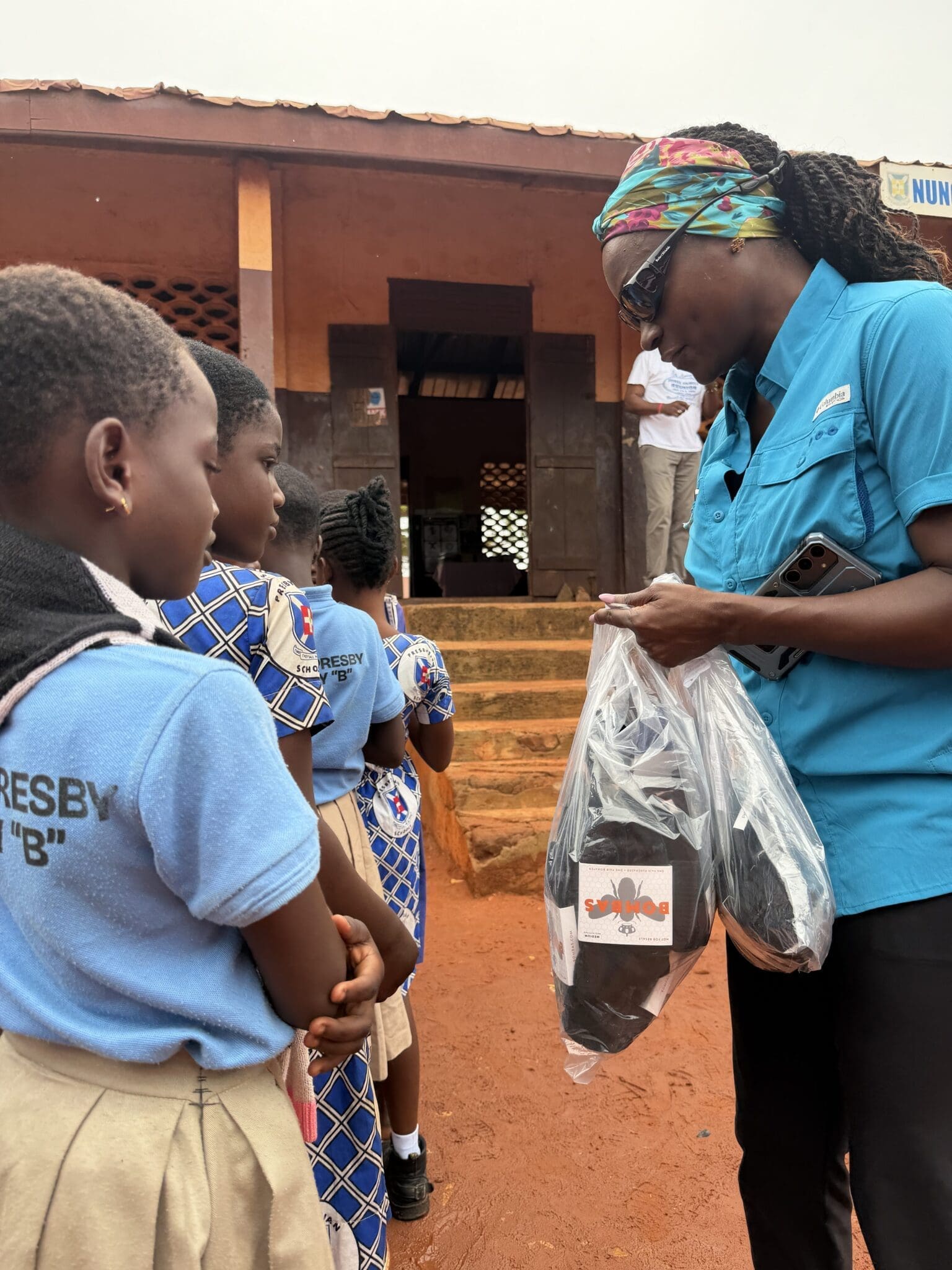
The pure joy of connection: Distributing Bombas socks in the community.
One of the most unexpectedly beautiful parts of this work is the caliber of people you meet. When you travel across the Atlantic to work in equatorial heat, you naturally filter out the superficial. You find yourself shoulder-to-shoulder with like-minded, highly driven professionals. The camaraderie forged in those chaotic, makeshift clinics creates friendships and professional bonds that simply cannot be replicated in a traditional networking environment. You share a singular, powerful focus: doing the work.
Ecosystems and Dependencies
Now, we must address the difficult part. This is where my perspective as a physician executive takes over. The ugly truth of the global aid industry is the danger of the “savior complex.”
When foreign medical teams fly in, drop thousands of dollars of free medication, and leave a week later, we have to ask a critical question: Are we disrupting the local ecosystem? If we are simply giving handouts, we run the risk of undercutting local doctors and pharmacies who are trying to sustain a living in that very community. By providing temporary free care, we can inadvertently collapse the local healthcare economy.
True, impactful medical missions must pivot from handouts to teaching skills. It is the age-old proverb of teaching a community to fish. We saw the direct result of this philosophy firsthand. This was our third visit to this specific community, and we noticed a massive shift: the children’s teeth and overall dental hygiene were significantly improved.
Why? Because previous missions hadn’t just handed out toothbrushes; they specifically funded sustainable dental hygiene education. This is critical in a country where there are only 570 trained dentists for 31 million citizens, and where dental care operates strictly as a cash-only, prepaid business with no insurance safety net. That is how you change a community.
If an organization is not investing in training local practitioners, transferring clinical knowledge, or leaving behind sustainable infrastructure, they are not solving the problem—they are creating dependencies. As visiting clinicians, our ultimate goal should be to make ourselves obsolete.
Know Your History: The Soil We Stand On
While I will always advocate for exploring the beautiful culture and sourcing textiles in the vibrant fabric markets of Ghana, you cannot effectively heal a community without understanding the historical trauma embedded in its soil. During this trip, I took time away from the clinic to visit Osu Castle (formerly known as Christiansborg Castle), a prominent fixture in the transatlantic slave trade.
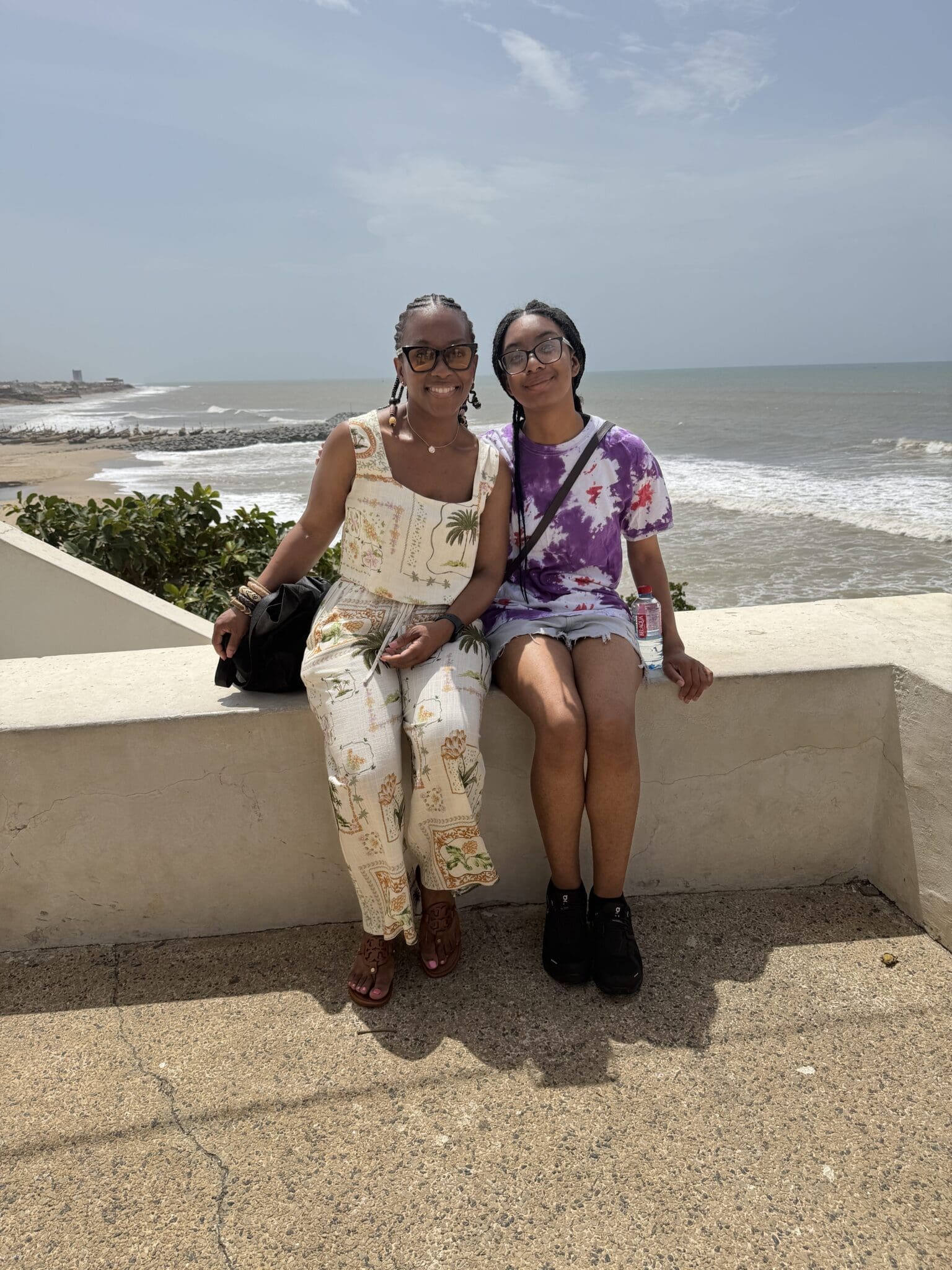
Standing on the soil of our ancestors: Visiting Osu Castle with my daughter, Taylor.
Watch the Archive
[Embed Instagram Reel of Osu Castle Here]
Walking through those heavy doors and standing in the dungeons completely shifts your perspective. To do groundwork in Africa—especially as a Black American woman—requires a profound reverence for the history of the land. We are not just visiting a developing nation; we are returning to the site of deep ancestral scars. Knowing your history grounds your service in respect, rather than pity.
The Duality of the Experience
Ultimately, a medical mission is a study in duality. It is entirely possible to be profoundly rewarded and physically depleted at the exact same moment. Treating patients in the relentless African heat—where my breathable Peelz scrubs proved absolutely essential for survival—navigating language barriers, and confronting the stark realities of systemic poverty will break you down.
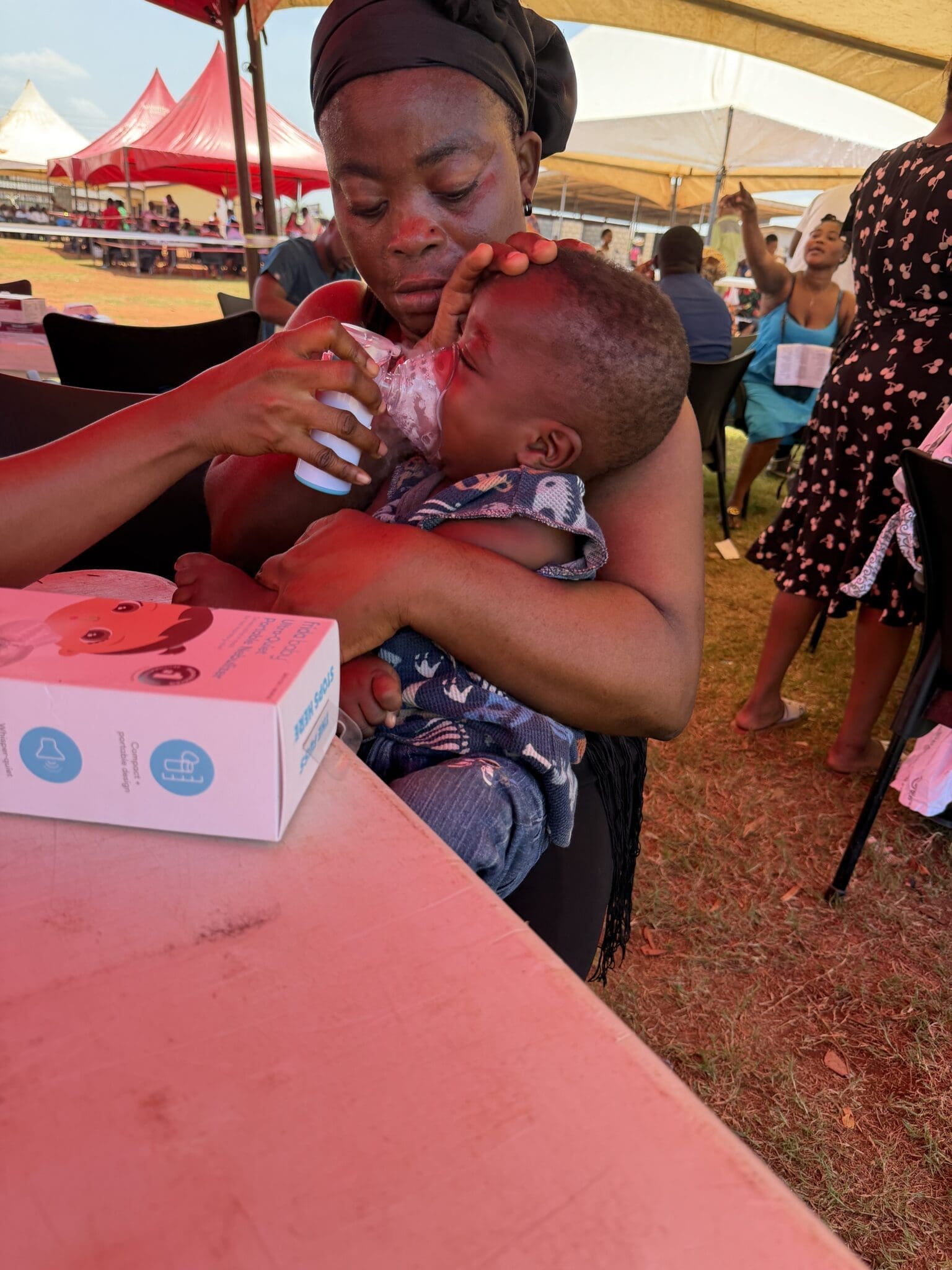
The reality of the field: Administering a breathing treatment in the equatorial heat.
It is exhausting. After a grueling 12-hour clinic shift, especially on days when the local water pressure is less than ideal, relying on my travel shower spa oasis became a non-negotiable recovery ritual. But when you look into the eyes of a mother whose child you just treated, or when you witness firsthand how education initiatives are physically altering the health trajectory of an entire village, the exhaustion fades into something incredibly purposeful.
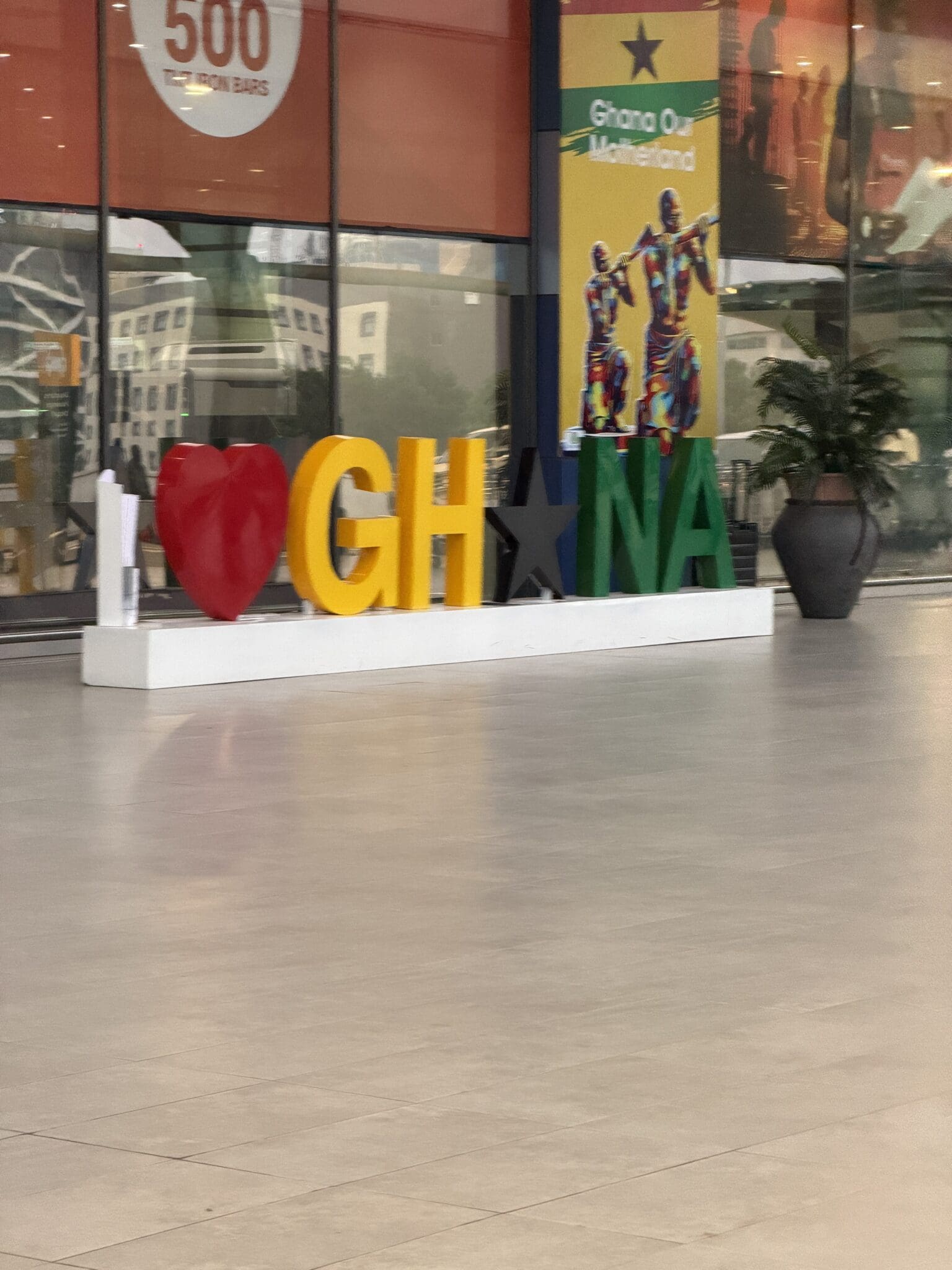
Forever changed by the Gold Coast.
If you are packing your bags for a mission trip this year, go with your eyes wide open. Leave your ego at the border, honor the local ecosystem, and prepare to be forever changed.
Build Your Own Private Archive.
Join my exclusive newsletter for the Sunday Drop. Every week, I share curated travel notes, style strategy, and the art of elevated living.