
Seamwork Marett Trousers Review: Parisian Upholstery Fabric & Petite Tailoring

Seamwork Marett Trousers Review: Parisian Upholstery Fabric & Petite Tailoring
There is an invisible line in home sewing. On one side, you have casual comfort wear designed for effortless weekends. On the other side, you have structured, executive tailoring meant to command a boardroom or anchor a high-stakes travel capsule. Merging those two concepts without looking like loungewear is the ultimate test of pattern engineering.
Enter the Seamwork Marett pattern. Marketed as a wide-leg trouser featuring clean lines and a structured back zipper, it caught my eye as a potential foundation piece for my wardrobe. But standard indie trouser patterns often fall into the trap of looking shapeless or pulling awkwardly on a shorter, curvy frame.
As a creator standing at 4’11.5″ who builds custom garments to maintain total wardrobe sanity, I couldn’t just sew the Marett straight out of the envelope. I had to put it through a rigorous tailoring audit. And to make things interesting? I cut these trousers from heavy-duty Parisian upholstery fabric sourced straight from an excursion abroad. Who says your living room furniture gets to have all the structural luxury?
The Seamwork Marett Blueprint Audit
An immediate takeaway for sewists evaluating this pattern:
✂️ Pattern Engineering
Features a clean back-zip closure for a smooth, fitted waistline. Requires careful rise and length adjustments for shorter frames to achieve true executive polish.
🛋️ The Upholstery Choice
Swapping flimsy garment cottons for heavyweight interior decor textiles creates breathtaking architectural drape that holds a crisp, sharp line.
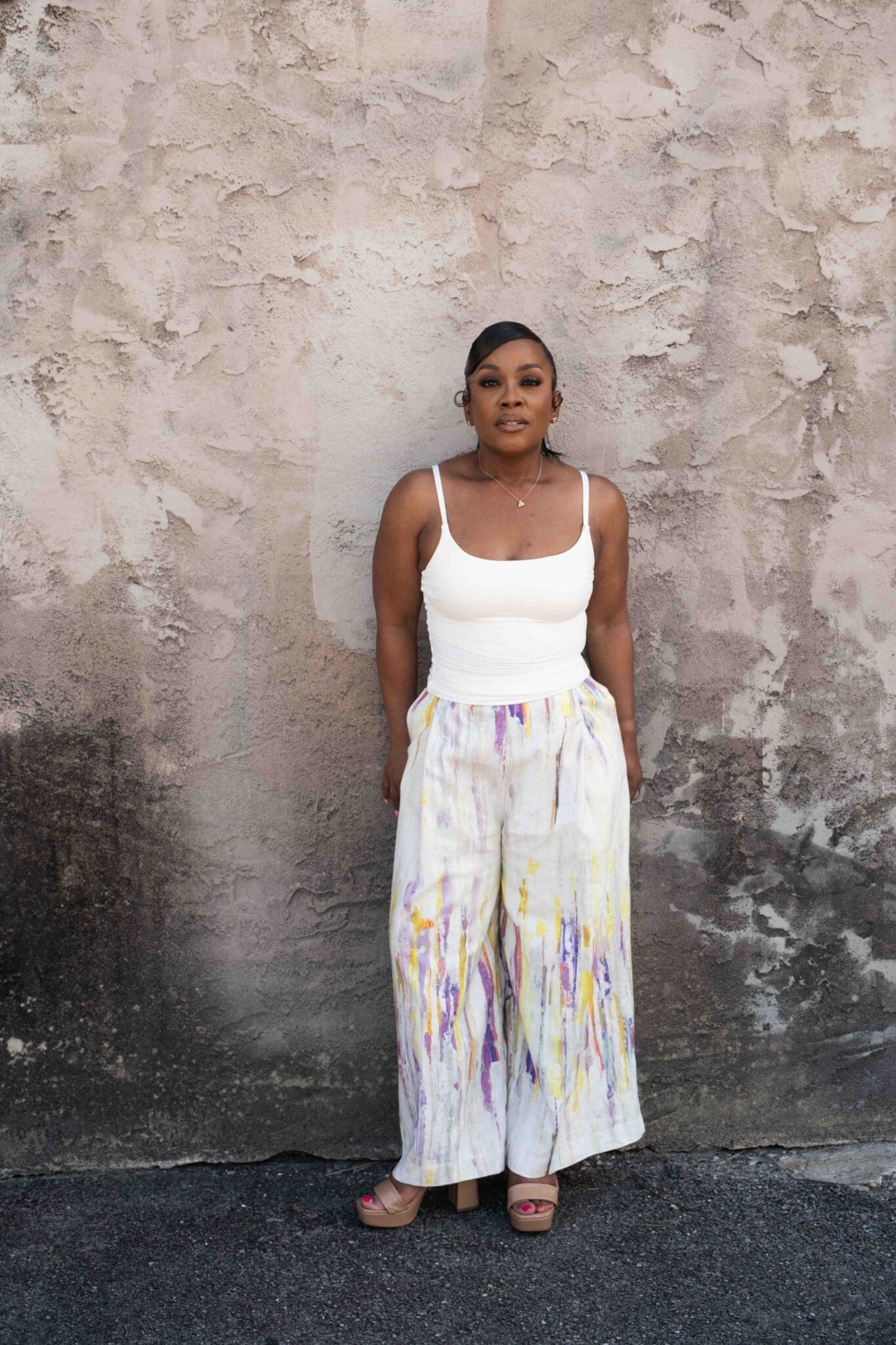
Pattern Anatomy: What Makes the Marett Tick?
The Seamwork Marett is engineered as a relaxed-fit, wide-leg trouser anchored by a secure back zipper and clean waist definition. On paper, it hits all the right marks for sophisticated tailoring.
However, indie trouser drafts often present a common fitting hurdle: to accommodate varying hip ratios, they can introduce excess volume through the crotch curve and upper thigh. If you are petite, that excess fabric translates directly into unwanted pooling that shortens your leg line.
The Petite Tailoring Adjustments
To transform the Marett from a standard indie pattern into a razor-sharp executive trouser, I implemented three critical custom alterations:
- Rise and Torso Balancing: I scooped out a precise 0.75 inches from the front and back crotch curves to prevent sagging, ensuring the back-zip waist sat cleanly and comfortably at my natural waist.
- Vertical Scale Reduction: Because standard drafts assume taller heights, I shortened the leg rise and calibrated the knee break so the pant leg lengthened the silhouette rather than overwhelming it.
- No Elastic, Pure Structure: There is zero elastic in this waistband. Instead, commanding this high rise demands high-grade fusible waistband interfacing. Proper interfacing provides structure without thickness, anchoring the back zipper flush against the spine with zero rippling or rollover.

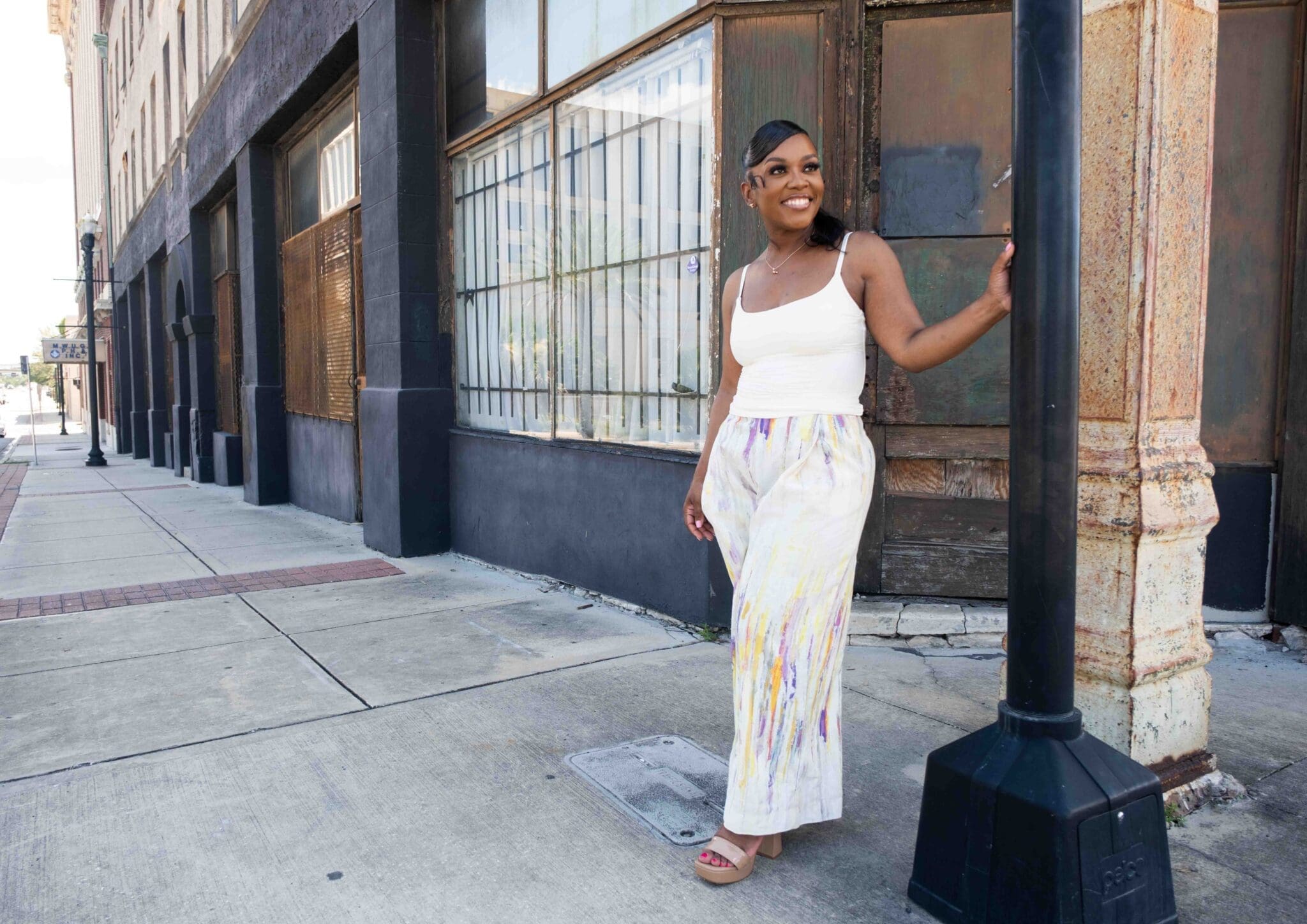
Fabric Choice & Atelier Mechanicals: Why Upholstery Wins
The single biggest factor determining whether your Marett pants look like high-fashion trousers or an unfinished craft project is your textile selection.
While traditional makes call for tencel or linen, sourcing this painterly statement fabric during my international travels opened up an entirely new structural dimension. Upholstery-grade wovens possess natural heft, incredible body, and a rigid crispness that lightweight garment fabrics simply cannot replicate.
That structural integrity requires the right atelier mechanics. Punching through dense home decor yardage requires Schmetz Jeans & Heavy Duty Microtex Needles (Sizes 100/16 & 110/18) to prevent deflection and skipped stitches. To ensure seams don’t pop under load, I threaded the machine with high-tensile Gütermann Extra Strong Thread, and hammered the deep pleats flat using steam and a heavy hardwood tailor’s clapper.
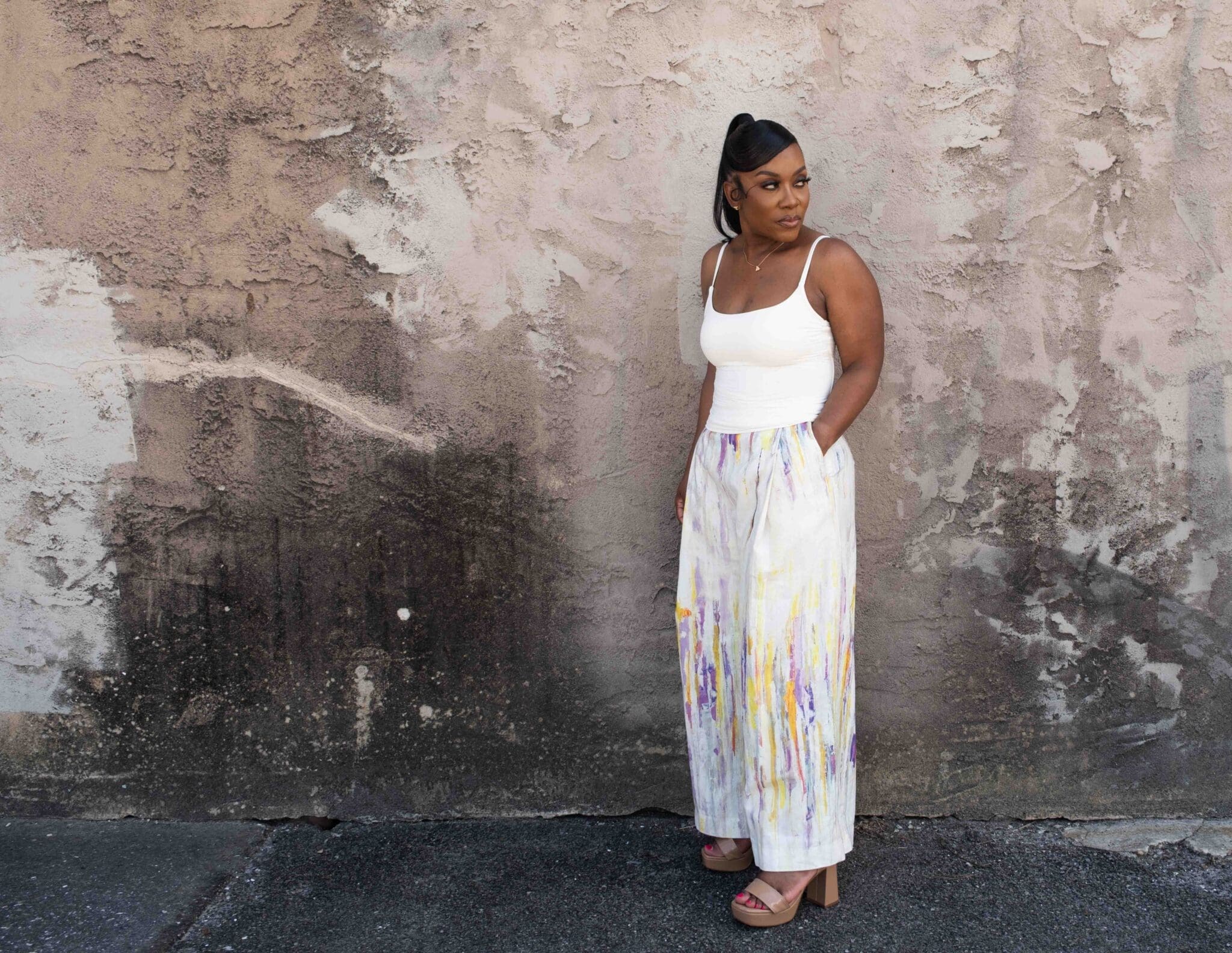
Footwear Proportions & Ready-to-Wear Counterparts
On a petite silhouette, high-volume palazzo hems cannot float aimlessly. They require deliberate grounding. I calibrate my wide hems to maintain exactly 0.5 inches of clearance over structural footwear:
- Elevated Evening Line: Grounded with sculptural high-fashion platform heels to lengthen the vertical plane without dragging hem edges on the pavement.
- Daytime Streetwear Shift: Dressed down using platform Adidas platform sneakers for an architectural, balanced break.
- Ready-to-Wear Silhouettes: If you are looking to capture this wide-leg aesthetic straight off the rack, browse these curated high-rise wide-leg trousers on LTK or explore this tailored edit from Lulus.
The Marett Construction & Styling Blueprint
Atelier Hardware
- Pattern: Seamwork Marett Pattern
- Needles: Schmetz Heavy-Duty Microtex (100/16 & 110/18)
- Thread: Gütermann Heavy-Duty Seam Thread
- Waistband: Structural Fusible Interfacing
- Pressing: Hardwood Tailor’s Clapper
Footwear & RTW Styling
- Platform Heels: Architectural Evening Pumps
- Streetwear Sneaker: Adidas Platform Kicks
- RTW Trouser Archive: LTK Wide-Leg Trouser Edit
- High-Rise Alternative: Lulus Tailored Trouser Option
Frequently Asked Questions: Seamwork Marett Review
How does the Seamwork Marett close?
Unlike pull-on styles, the Marett features a structured back zipper and fitted waistband, giving it a clean, polished finish ideal for tailored outfits.
Where can I get the Seamwork Marett pattern?
You can access the digital PDF draft or join the membership directly through Seamwork’s Pattern Library.
How do I adjust the Marett pants for a petite frame?
Focus primarily on the rise length and the overall inseam. Shortening the crotch depth prevents fabric pooling, while grading the leg width ensures the trousers don’t overwhelm a shorter stature.
Can you use home decor or upholstery fabric for apparel?
Absolutely! Lightweight upholstery jacquards, linen-blends, and structured cotton dec-weights make phenomenal statement trousers or structured jackets because they hold their shape and drape with architectural precision.
Have you ever sewn apparel out of home decor or upholstery textiles? Drop your favorite fabric hacks in the comments below!